
กลุ่มคนรุ่นน้อย หน้าที่มากขึ้น
สิงคุร์ esperer ผู้รับใช้ชาติในรุ่น_future_น้อยลง เมื่ออัตราการเกิดลดลง แต่จำนวนที่ฝึกให้เป็นผู้นำไม่น่าจะลดลงมาก รัฐมนตรีกลาโกร ชาน ชุน ซิง กล่าวในวันศุกร์ วันที่ 20 พฤศจิกายน ว่า แรงงาน军事สิงคุร์ (SAF) ต้องการส่วนแบ่งที่มากขึ้นของแต่ละกลุ่มเพื่อリード เนื่องจากยานุ่งรบของเค้ากำลัง becoming smaller and more dispersed
สารบัญ
- กลุ่มคนรุ่นน้อย หน้าที่มากขึ้น
- Why are combat units getting smaller?
- What the new infantry structure shows
- A first joint graduation across four services
- Commanders must connect the wider network
- Plans and procedures must keep changing
- Why training needs an opponent that thinks
- Trust is part of command
- What the change means for national service
- Key Points
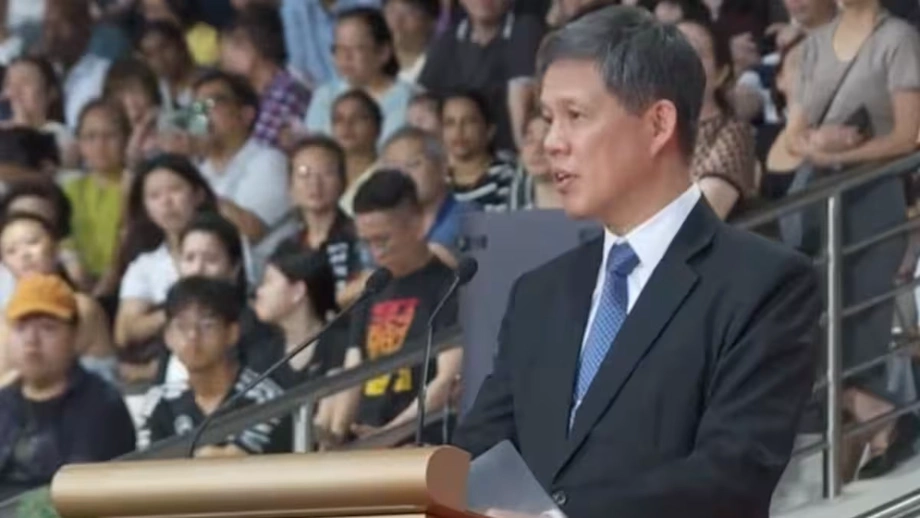
ชานพูดที่ camps ป่า ป่า แลบ้า ในพิธีbestowal ของ specialist cadets และ military experts ผู้ bestow 958 ได้ completed Courses lasting 22 weeks ที่ included 760 from the Army, 75 from the Navy, 79 from the Air Force และ 44 from the Digital and Intelligence Service
สิงคุร์ resident total fertility rate was 0.87 in 2025, record low The rate estimates the average number of children a woman would have if current birth patterns continued Smaller birth cohorts mean fewer people entering national service, while the SAF's need for commanders remains substantial
ชาน told the graduates that advanced equipment may let them lead smaller teams, but it will not make their jobs lighter He said Singapore and the SAF would need more from each of them, not less, and that each would carry greater responsibility
The message is a shift in the expected role of national servicemen: a greater proportion may be asked to lead, and commanders will need to understand more than the weapons and people directly under them
Why are combat units getting smaller?
ชาน said modern warfare is becoming more decentralised Better communications, unmanned systems, precision weapons and other advanced technology allow smaller groups to act with more independence while remaining connected to a wider force
Decentralised operations spread decision making among units rather than relying on a few central headquarters to direct every move That can help small teams respond quickly, but it also asks their leaders to make sound decisions with more responsibility at their level
The SAF is adapting its formations to this kind of battlefield Smaller units may have better information and equipment, but their commanders must know when and how to coordinate with other teams and services
ชาน's argument is that leadership demand does not fall simply because individual units become smaller The force still needs commanders who can make decisions close to the action and connect those decisions to the wider operation
What the new infantry structure shows
The SAF presented its Next Generation Infantry Battalion (NGIB) during Exercise Wallaby in Queensland, Australia, in October The new structure is an example of how the military is reorganising infantry units around smaller teams and greater use of technology
Each NGIB rifle company is planned to have five platoons, compared with the traditional three Each platoon has two sections of six soldiers Companies will also have two dedicated Steel Net sections to operate unmanned systems
An NGIB company can use four types of drones for surveillance, reconnaissance and remote strikes Soldiers were also shown using the Battlefield Management System (Soldier), which gives them a shared, live digital picture of the operating environment In simple terms, it helps people in different positions see the same changing information about what is happening around them
The sequence of developments gives a picture of the SAF's direction:
- October: the SAF unveiled the NGIB during Exercise Wallaby in Queensland
- Nov. 20: 958 specialist cadets and military experts graduated at Pasir Laba Camp
The technology and structure are intended to help units operate in a more distributed way They also increase the need for leaders who can interpret information, direct their teams and coordinate support
A first joint graduation across four services
The Nov. 20 parade brought graduating specialists and Military Expert 1 personnel from all four SAF services together for the first time Military experts from the Army, Navy, Air Force and Digital and Intelligence Service had not previously graduated at the same ceremony
The joint event reflected the wider point in ชาน's speech: modern operations depend on people in different services working together The Army may provide forces on the ground, while air, maritime and digital capabilities can contribute information or support A commander needs to understand how those contributions fit together
The graduates came from different areas of the military, but the leadership challenge is shared Commanders need to understand their own vocation while learning what other formations can contribute to a task
Commanders must connect the wider network
ชาน said warfare is increasingly networked, meaning units and capabilities must share information and work together He urged commanders to look beyond their own weapons, unit or operating area and learn how to operate across the services
He also said military leaders must understand how to work with capabilities outside the SAF as part of a whole government and whole nation effort That means national defence may require coordination among military services and other parts of the country, rather than action by one unit alone
ชาน described the value of a network as depending on whether commanders can bring its capabilities together at the right time and for the right purpose A large collection of connected equipment is useful only when leaders know what support is available and how to use it in a coordinated way
His warning was that commanders who focus only on their own part of a battlefield may fail to make full use of the SAF's wider capabilities Coordination, in this view, is a core leadership skill, not an administrative task added after combat planning
Plans and procedures must keep changing
ชาน said conflicts increasingly reward the side that learns and adapts faster He urged the graduates to treat standard operating procedures as "standing operational procedures," a phrase meant to remind leaders that an established method is the best answer for now, not necessarily for every future situation
Procedures help people act consistently, especially under pressure Yet a procedure can become a weakness if commanders follow it without noticing that conditions have changed ชาน said tactics and doctrine must change and be kept alive as circumstances shift
For servicemen, that means continued learning after a course ends Leaders need to review what worked, identify what did not and update their approach rather than assuming that a familiar plan will always fit
Why training needs an opponent that thinks
ชาน called for rigorous two sided exercises in which an opposing force actively tries to defeat the SAF's plans He cautioned graduates against training only to carry out a prepared plan or follow doctrine, saying doctrine was not an amulet for success in future operations
A thinking opponent can surprise a training unit, expose gaps and force its leaders to adjust The purpose is to find weaknesses during practice, when lessons can still be applied, rather than during a real operation
ชาน told graduates to train against an opponent that is constantly trying to defeat their plans He said it is better to discover weaknesses in exercises against a thinking simulated enemy than to find them in real operations
That approach connects training to his wider message about adaptation The goal is not simply to repeat a drill correctly, but to learn quickly when an opponent or situation changes
Trust is part of command
ชาน also urged the graduates to keep learning, uphold SAF values and look after the people under their command These responsibilities matter alongside technical knowledge because military units depend on people following decisions and supporting one another
He said people do not follow a commander merely because of rank They follow because they trust that leader, and earning that trust is the commander's responsibility
For servicemen leading smaller teams with more advanced tools, that human responsibility remains central Technology can provide information and reach, but people still need to judge what to do and rely on their leaders
What the change means for national service
The SAF's plans point to a different balance between team size and leadership responsibility Smaller units equipped with drones, shared information systems and precision weapons may be able to do more, while their leaders are expected to connect with a wider network of military and national capabilities
For future national service cohorts, falling birth rates do not necessarily mean fewer leadership training places ชาน said the number trained at schools such as the Officer Cadet School and Specialist Cadet School is unlikely to change much, even as the cohorts themselves get smaller
The practical effect is that more servicemen in each generation may need to take on command responsibilities Those leaders will be expected to master their own roles, cooperate across services, adapt their methods and maintain the confidence of the people they lead
Key Points
- ชาน ชุน ซิง said a greater share of each national service cohort will need to take leadership roles as cohort sizes shrink
- The SAF expects leadership school numbers to remain broadly stable because decentralised operations need commanders
- The NGIB structure includes five platoons per rifle company, two Steel Net sections and access to four types of drones
- All four SAF services took part in the first joint graduation of military experts from those services
- ชาน urged commanders to coordinate across services, update tactics and learn from training against thinking opponents