
A New Chapter for Vietnamese Culture
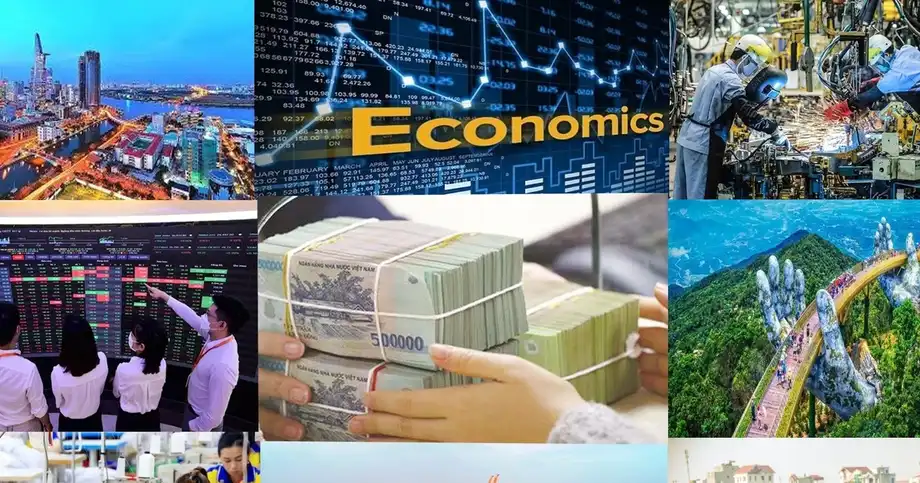
Vietnam is transforming how it views its rich traditions by turning heritage into a powerful engine for economic growth. General Secretary and President To Lam highlighted this vision during the second session of the Central Steering Committee for Vietnamese Culture Development, stressing that culture must become a core pillar of the economy. The nation currently preserves more than 500 intangible cultural heritages on the national list alongside thousands of historical sites. Furthermore, the country boasts over 5,400 craft villages, including more than 1,800 traditional villages that generate millions of handicraft items for export worldwide. Despite this immense creative wealth, cultural industries currently contribute an estimated 4 to 5 percent to the national gross domestic product.
สารบัญ
Achieving a higher growth rate requires measuring the exact financial impact of every cultural sector and locality. Deputy Minister of Finance Le Tan Can noted that quantifying these contributions helps policy makers direct investments effectively. Under the guidelines of Resolution 80 of the Politburo, the country aims to raise the cultural industry contribution to about 7 percent of gross domestic product by 2030 while establishing up to ten national brands. The long-term target is to reach approximately 9 percent of gross domestic product by 2045, maintaining a steady annual growth rate of 7 to 8 percent.
Establishing Vietnam Culture Day Nationwide
For the first time, November 24th has been officially established as Vietnam Culture Day across the entire country. The initiative coincides with the anniversary of the First National Cultural Conference held on November 24, 1946, where President Ho Chi Minh famously declared that culture must illuminate the path for the nation. The government approved a proposal allowing civil servants, public employees, and workers to take a paid day off on this date, ensuring everyone can participate in nationwide festivities. This special observance merges with the National Unity Day celebrations held on November 18, creating a vibrant cultural week filled with community events from November 18 to November 24, 2026.
Discussing the profound significance of these developments, Associate Professor Dr. Bui Hoai Son, a member of the National Assembly and Deputy Head of the Central Propaganda Department, explained how historical ideals translate into modern policy. He noted that moving beyond mere commemoration requires integrating cultural values directly into everyday life and economic planning.
Culture does not stand on the sidelines of development, but must guide, permeate, and lead development.
Public institutions have embraced the historic week by opening their doors to citizens and visitors alike. Thirteen major museums across Hanoi, including the Vietnam Museum of Ethnology, the Vietnam National Museum of History, and the Vietnam Fine Arts Museum, offered free admission on November 24 to encourage broader public engagement.
Vibrant Celebrations Across the Country
Festive activities unfolded in public squares, museums, and historical sites from the northern provinces down to the southern tips of the country. In Hanoi, the pedestrian area around Hoan Kiem Lake hosted heritage parades, traditional art performances, and technology-driven cultural exhibitions. On the morning of November 22, 2026, about 2,000 participants joined the Tourism Ao Dai Parade as part of the capital city events. Major spectacles included the Muon Sac Vietnam art program staged at the My Dinh National Stadium on the evening of November 24.
Localities nationwide curated unique programs that highlighted their distinct regional identities. Phu Tho province organized the Long Coc Culture and Tourism Week, during which the picturesque Long Coc tea hill received official recognition as a provincial-level tourist destination. Meanwhile, Ho Chi Minh City showcased traditional Southern art forms such as hat boi opera, cai luong theater, and don ca tai tu folk music along Nguyen Hue walking street. Other regions celebrated their unique heritage through specialized events, including Tay Ninh province, which exhibited traditional musical instruments of local ethnic groups at the provincial museum.
Honoring Journalistic Excellence in Cultural Development
Recognizing outstanding media contributions to the national cultural agenda, the Ministry of Culture, Sports and Tourism, the Central Propaganda Department, and the Vietnam Journalists Association hosted the closing ceremony of the fourth National Journalism Prize For the Cause of Developing Vietnamese Culture. Held in Hanoi on November 20, 2026, the competition drew a record 1,555 entries across multiple journalistic categories. The judging panel awarded 55 prizes, consisting of 5 first prizes, 9 second prizes, 16 third prizes, and 25 consolation prizes, highlighting works that tackled critical policy bottlenecks, digital transformation, and cultural sovereignty in cyberspace.
Among the recognized journalists, Pham Tuan Anh from the Photo Editorial Board of the Vietnam News Agency received a third prize for his work on revitalizing Muong traditions through digital media. The awards also featured a special Vietnamese Inspiration category to honor media campaigns and creative individuals who have generated positive impacts within their communities. These journalistic efforts play a vital role in keeping public attention focused on institutional reforms and sustainable creative economies.
Synchronizing Core National Values
Prime Minister Pham Minh Chinh recently signed Decision 1189 to implement a synchronized framework of national values, cultural values, family values, and Vietnamese human standards for the 2026 to 2030 period. This strategic plan seeks to embed core moral standards into governance, education, and daily social interactions. Speaking on the implementation strategy, Deputy Minister of Culture, Sports and Tourism Trinh Thi Thuy outlined a strict administrative approach built around clear responsibilities.
We must take practical efficiency and social transformation as the measurement, making these value systems behavioral norms and endogenous resources for national development.
The Ministry of Culture, Sports and Tourism has adopted a six-part administrative principle to ensure accountability across all departments: clear people, clear tasks, clear responsibilities, clear authority, clear timeframes, and clear results. This framework aligns local government units with national targets, ensuring that cultural investments yield measurable improvements in public life and local economic output.
The full text of the framework established under Decision 1189 outlines comprehensive requirements across multiple sections. Part I details the purpose and requirements, aiming to institutionalize and effectively implement the resolutions of the 14th National Party Congress, Politburo Resolution 80-NQ/TW dated January 7, 2026, National Assembly Resolution 28/2026/QH16 dated April 24, 2026, and Government Resolution 30/NQ-CP dated February 24, 2026, while establishing a smooth operational mechanism from the central to grassroots levels. It mandates embedding value systems deeply into social life, preventing moral degradation, and enhancing national competitiveness through cultural industries, science, technology, innovation, and digital transformation under specific criteria such as decentralized responsibilities, feasible timelines, and the avoidance of redundant administrative apparatuses. Part II sets out the core contents and relationships of the four value systems: the national values (peace, unification, independence, a prosperous people, a strong country, democracy, fairness, civilization, and happiness); the cultural values (national character, democracy, humanity, and science); the family values (prosperity, happiness, progress, and civilization); and Vietnamese human standards (patriotism, solidarity, self-reliance, nghĩa tình, honesty, responsibility, discipline, and creativity). These four systems interact dynamically, placing human development at the center, supported by the family as the foundational nurturing environment and culture as the humanistic medium. Part III establishes key tasks and solutions, focusing on institutional completeness and policy formulation, whereby ministries, local authorities, and relevant agencies are instructed to systematically integrate these criteria into socioeconomic development plans, policy impact assessments, and annual implementation frameworks.
Preserving Identity in the Global Digital Space
Rapid technological advancement and cross-border digital platforms present both unprecedented opportunities and new security challenges for traditional cultures. Experts gathered to discuss how to safeguard cultural identity without closing the door to international integration. Associate Professor Dr. Vu Trong Lam, Director and Editor-in-Chief of the National Political Publishing House Truth, emphasized that preserving identity requires active selection and creative adaptation rather than maintaining a static status quo. Echoing this perspective, Dr. Dinh Thi Mai, Vice President of the Vietnam Academy of Social Sciences, noted that cultural identity carries both historical and contemporary weight.
Building an attractive digital presence requires connecting cultural data with education, tourism, and creative industries. Provincial leaders are already putting these economic principles into action to boost local economies. In Tay Ninh province, local cultural industries generated a revenue of 10,400 billion VND, contributing approximately 3.6 percent to the provincial gross domestic product. By measuring economic outputs alongside heritage preservation, the country continues to build a resilient society where economic progress goes hand in hand with spiritual strength.
The Essentials
- Vietnam established November 24th as the annual Vietnam Culture Day, granting workers a paid day off.
- Resolution 80 sets a target for cultural industries to contribute 7 percent of gross domestic product by 2030.
- Thirteen major museums in Hanoi offered free public admission on the inaugural culture day.
- Decision 1189 introduces a synchronized framework for national values and human standards through 2030, supported by exact Ministry criteria emphasizing clear people, tasks, responsibilities, authority, timeframes, and results.
- The fourth National Journalism Prize awarded 55 works out of 1,555 total entries in November 2026.