
การขยายความมั่นคงในโตเกียว
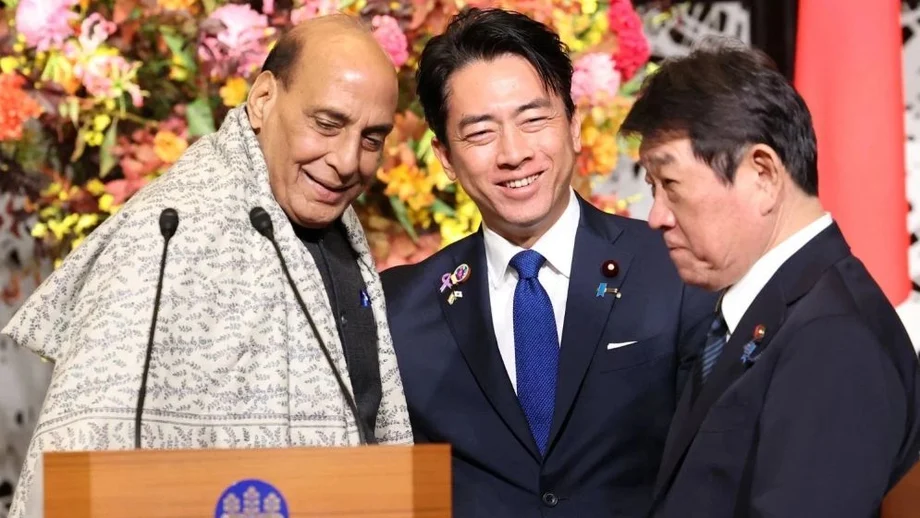
กัปตันกำลังถือของญี่ปุ่น Shinjiro Koizumi และกัปตันว่าการของญี่ปุ่น Toshimitsu Motegi พบกับผู้แทนด้านความมั่นคงและการต่างประเทศของอินเดีย ได้แก่ Rajnath Singh และ S. Jaishankar ที่โตเกียวในวันพฤหัสวรรษที่ 19 พฤศจิกายน ค.ศ. 2026 เพื่อการโจว์ความมั่นคงและการต่างประเทศระหว่างญี่ปุ่นและอินเดีย ครั้งที่สี่ ที่รู้จักกันในชื่อ two-plus-two meeting การโจว์ดังกล่าวเป็นก้าวสำคัญในความตึงเครียดด้านความมั่นคงทางการทหารของทั้งสองประเทศ เนื่องจากทั้งสองประเทศได้ลงนามใน Letter of Intent ที่จะเป็นครั้งแรกในการอนุญาตให้กองทัพตัดตัวของญี่ปุ่นใช้โดยเวลากับเขตทดสอบของอินเดีย สำหรับ "live-fire training...", รวมถึงการทดสอบที่เกี่ยวข้องกับข้าศึกเรือ
สารบัญ
ข้อตกลงนี้ได้รับการช่วยเหลือข้อจำกัดด้านภูมิศาสตร์ที่ยากลำบากของญี่ปุ่น กำลังดินที่ทดสอบอยู่ภายในมีขนาดจำกัด ทำให้การฝึกสำหรับอาวุธระยะยาวเป็นไปยากในการปลอดภัย อาวุธข้าศึกเรือประเภท Type-25 ของญี่ปุ่น ซึ่งเป็นรุ่นที่ปรับปรุงจาก Type-12 มีความยาวระยะประมาณ 1,000 กิโลเมตร การทดสอบอาวุธระยะทางนี้จำเป็นต้องใช้พื้นที่ที่ใหญ่และควบคุมได้ ที่หน่วงชีพของทางการสามารถติดตามเส้นทางการบินและรักษาความปลอดภัยของขนส่งทางเรือนและประชาชนทางการเมืองได้ ช่องว่างการยิงของอินเดียที่มีการติดต่อเรือและออกหากันมักกับมหาสมุทร Bay of Bengal ให้โอกาสปลอดภัยและโครงสร้างติดตามที่กว้างขวาง ข้อตกลงนี้ให้โตเกียวทางเลือกการทดสอบที่สำคัญในการพัฒนาเทคโนโลยีโจมตีระดับสูงเพื่อรบในภูมิภาค
ความกังวลเกี่ยวกับการบังคับใช้ทางเศรษฐกิจและความมั่นคงทางภูมิรัฐ
รัฐมนตรีใช้การประชุมในโตเกียวเพื่อชี้แจงความตึงเครียดทางการเมืองที่กว้างขึ้น ได้แสดงความกังวลอย่างรุนแรงเกี่ยวกับการบังคับใช้ทางเศรษฐกิจ ข้อจำกัดส่งออกอย่างกว้างขวาง และนโยบายที่ไม่ได้อยู่ในตลาดที่ขัดจังหวะห่วงโซ่อุปทานระหว่างประเทศทั่วโลก แม้ในข้อแถลงร่วมกันจะไม่ได้กล่าวถึงประเทศเฉพาะ แต่กรุงปักกิ่งเชียงโป๊กได้วางบริษัทของญี่ปุ่นในรายการ blacklist ส่งหุงโซ่อุปทานสินค้า dual-use และหยุดส่งออก rare earth ที่สำคัญหลังคำพูดของนายกรัฐมนตรีญี่ปุ่น Sanae Takaichi เกี่ยวกับความเป็นไปได้ในการแทรกแซงทางการทหารในเหตุการณ์ความเครียดไต้หวัน รัฐมนตรีว่าการต่างประเทศ S. Jaishankar เน้นย้ำถึงการกลายเป็นอาวุธของการเชื่อมโยง ทรัพยากร และห่วงโซ่อุปทานในคำพูดต่อสื่อมวลชน ชี้แจงว่าความขัดแย้งทางโลกเรียบร้อยและความผันผวนทางเศรษฐกิจ ต้องการพันธมิตรที่น่าเชื่อถือได้ อธิบายเป้าหมายโดยรวมของความร่วมมือคือการสนับสนุนเอเชีย multipolar และโลก multipolar
S. Jaishankar พูดคุยควบคู่กับผู้แทนชายคนเดียวกันเพียงไม่กี่วันหลังจากผู้นำ Quad พบกันที่ Manila ที่ประชาชนต่างชาติจากอินเดีย ญี่ปุ่น สหรัฐฯ และออสเตรเลีย เก็รูดมั่นคงในภูมิรัฐที่เสรีและเปิดกว้าง Indo-Pacific ทั้งอินเดียและญี่ปุ่นก็ตกลงที่จะอัปเดตกรอบภูมิรัฐทั้งของตนเอง รวมถึง Indo-Pacific Oceans Initiative และ MAHASAGAR vision ของอินเดีย กับนโยบาย Free and Open Indo-Pacific ที่อัปเดตของญี่ปุ่น รัฐมนตรีได้เรียกร้องหาการดำเนินหน้าต่อองค์กรผู้ต้องสงสัยที่ระบุใน UN และเน้นย้ำถึงความสำคัญของห่วงโซ่อุปทานที่ทน resilience ในภาควิศวกรรมสำคัญ เช่น semiconductor, critical minerals และ clean energy
เทคโนโลยีทางเรือและโครงการ UNICORN Antenna
ความร่วมมือด้านการรบระหว่าง New Delhi และโตเกียวเกินความต้องการในการทดสอบข้าศึกเรือไปสู่การพัฒนาโลกอุตสาหกรรมร่วมกันภายใต้กรอบ design with Japan และ make in India การอภิปรายในการประชุมโตเกียวรวมถึงการรับรอง Acceptance of Necessity สำหรับโครงการ UNICORN naval radio antenna ที่คาดว่าจะมีการตกลงอย่างเป็นทางการภายในเดือนกุมภาพันธ์ ค.ศ. 2027 เทคโนโลยี UNICORN ซึ่งย่อมาจาก Unified Complex Radio antenna คือระบบ stealth mast แบบผสานที่ออกแบบสำหรับเรือยุทธการ By combining multiple antenna functions into a single structure, the technology reduces the need for separate exterior installations and lowers a vessel's radar signature A day before the formal dialogue, Singh and Koizumi toured the Maritime Self-Defense Force base in Yokosuka, Kanagawa Prefecture, where they inspected the Mogami-class frigate JS Natori, which is equipped with the UNICORN system.
อินเดียกำลังประเมินกรอก Mogami-class frigate ของญี่ปุ่นสำหรับการก่อสร้างที่สำเร็จรูปในกรงเรือของอินเดีย โดยมีพัฒนา defense export agreement ที่เคยมีระหว่าง Tokyo และ Canberra การโจว์ทาง bilateral ก็ก้าวหน้าในแผนการซักซ้อน naval ship repair, enhanced mine countermeasure, และ joint research and development in advanced missile and underwater technologies ผ่าน cooperation ระหว่าง India's Defence Research and Development Organisation และ Japan's Acquisition, Technology and Logistics Agency นอกจากนี้ รัฐมนตรียกตัวเลือกที่หลากหลายของการฝึกทหาร bilateral โดยชี้แจง participation of Japanese fighter aircraft in the Veer Guardian 26 air exercise และ upcoming trilateral naval drills
การฝึกทหารที่กว้างขึ้นและวิสัยทัศน์ในการเปลี่ยนแปลง
ความร่วมมือด้านการรบที่กว้างขึ้นสร้างจากเครือข่ายการฝึกทหาร bilateral ที่เกิดขึ้นเป็นประจำเพื่อปรับปรุง interoperability ระหว่างกองทัพของทั้งสองประเทศ These drills include the Dharma Guardian exercise between their armies, the JIMEX naval exercise, and the Shinyuu Maitri air exercise การมีส่วนร่วมของญี่ปุ่นในการฝึก multilateral exercises such as the Malabar naval drills ยิ่งเพิ่มการ alignment of operations ของสองประเทศ The ministers agreed to integrate unmanned systems into future drills and conduct exercises at shorter notice, reflecting an evolving security environment that requires rapid response capabilities
ความสัมพันธ์ด้านความมั่นคงก็ครอบคลุม maritime security cooperation ภายใต้ Memorandum of Arrangement ที่เพิ่งลงนาม โฟกัสที่ maritime and air domain awareness, search and rescue, information sharing, และ humanitarian assistance and disaster relief Coast guard cooperation is slated to grow as well, with India set to host the fifth Coast Guard Global Summit in February 2027, an initiative originally launched by the Japan Coast Guard Furthermore, the two nations marked the upcoming 75th anniversary of diplomatic relations, scheduled to be celebrated in 2027, by launching a commemorative logo during the ministerial visit.
กำหนดการพัฒนาหลัก
- November 2025: Japan and Australia announce efforts to provide Japan with access to Australian missile testing ranges.
- November 2026: General Masayoshi Arai confirms that Japanese Ground Self-Defense Force officials visited India to inspect potential long-range missile test sites.
- November 18, 2026: Indian Defence Minister Rajnath Singh arrives in Tokyo and inspects the Mogami-class frigate JS Natori at Yokosuka.
- November 19, 2026: The fourth India-Japan two-plus-two ministerial meeting takes place in Tokyo, resulting in the signing of a Letter of Intent for firing range usage.
- February 2027: Target period for India's Acceptance of Necessity regarding the UNICORN naval antenna project and the expected start window for Japanese live-fire missile training in India.
The Essentials
- Japan and India signed a Letter of Intent allowing the Japan Self-Defense Forces to conduct live-fire missile testing at Indian ranges starting next year.
- The training will include surface-to-ship missile drills using weapons such as the 1,000-kilometer range Type-25 missile due to domestic Japanese space constraints.
- Ministers expressed grave concerns over economic coercion and the weaponization of global supply chains.
- Both nations are advancing defense industrial cooperation, including negotiations for the UNICORN naval antenna project and potential joint construction of Mogami-class frigates.
- The agreement follows earlier defense site discussions with Australia and supports a shared vision for a free and open Indo-Pacific region.